
Future-Ready HR: A Recap of the CPHR Alberta 2026 Conference

Author:  Rheya Patel, 2026 Social Media Committee Member 


Leading with Courage, Empathy, and Connection 

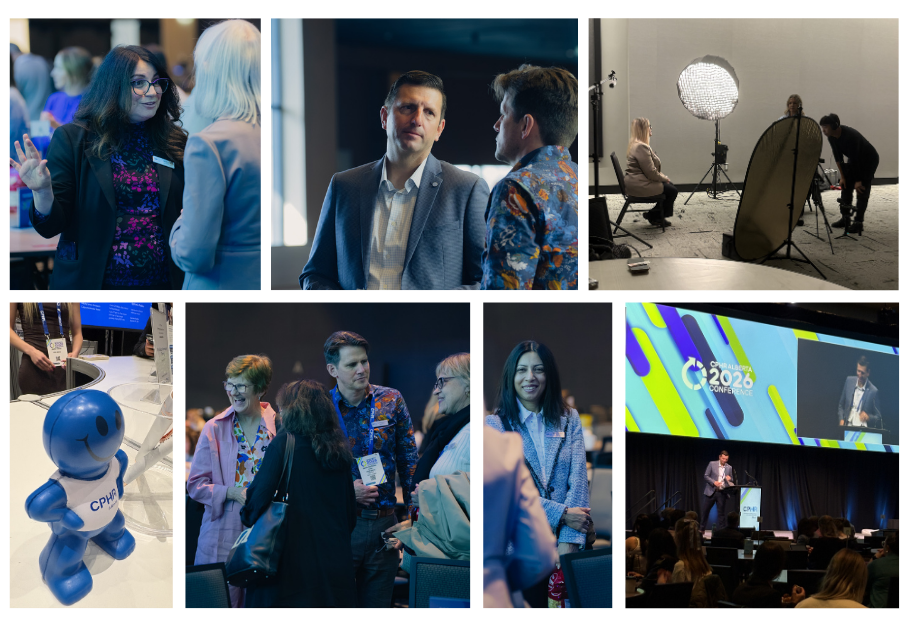
Over the past two days, people leaders and business professionals as well as members of our CPHR Alberta community gathered at the BMO Center in Calgary to explore the ever-evolving terrain of Human Resources, firmly reminding me just how incredibly interesting, as well as important our work is in daily organizational operations. Coming from an in-person perspective, the energy was incredible. As Co-Chair of this year’s Social Media Committee, I had the privilege of attending both days, capturing these moments and learning alongside all of you. 


The overarching theme of this year's conference was clear: while technology and processes are evolving, the future of HR is fundamentally asking us to be more human.


Day 1: Adaptability and Breaking New Paths 

We kicked off Day 1 with a focus on Change Management. The first panel emphasized that in a world defined by constant shifts, HR must prioritize workforce planning and clear communication to remain resilient. 


One of the most unique panels on day 1 explored the world of Military Reservists led by three actively serving reservists. It was intriguing to learn about skills that can be transferred both "on and off the field"—such as leadership under pressure and community networking—and how undoubtedly invaluable they are to the professional world. Our panelists also touched on the vital importance of motivating and connecting with Canadian youth to build our future talent pipelines. 


Our closing panel was a powerful discussion on Leading the Future. The message was bold: do not wait for a path to be cleared for you. 


  • Courage is the Catalyst: Small ideas can spark massive change. 
  • Validation through Action: When you take the lead, others join the idea, creating the momentum needed to become a changemaker. 
  • A New Approach to Leadership: Instead of leading solely with data, processes, or solutions, the panel challenged us to lead with stories, questions, and silence. 


However, this was not the end. After all scheduled events, the day wrapped up with an HR Social in our exhibit hall. And though my duties were finished for the day, I took full advantage of the opportunity to meet with other HR professionals to continue to learn and grow. Receiving invaluable tips on starting off my own career as an emerging HR professional.


Day 2: Culture, Integrity, and the AI Balance
 

Day 2 shifted our focus toward the internal health of our organizations. I firmly believe that organizations should take care of the people within, just as they care about the people on the outside. We can think of it as how we take care of ourselves and each other. Empathy causes us to care deeply for others, but sometimes caring for ourselves can lose priority in our day to day lives, but our bodies are tuned in to making sure we don’t forget. Such as internal signals to let us know when we’re tired, our stomachs rumbling to indicate hunger. These internal signals can be a mini, personal version of an HR group, taking care of the internal needs while we take care of external needs. 


Starting bright and early, our opening keynote speaker addressed the difficult reality and complexities of toxic bosses. As HR professionals, it is our responsibility to ensure toxicity isn't "hidden in plain sight," to hold these bosses accountable, and to protect employees from potential retaliation when reporting harmful behavior. It is part of our role to reach the root of the issue and help to resolve it before the weeds grow out of control. 


Our first micro-session of the day dove into a matter that has become a topic of intense discussion as of recently. Our Aging Workforce. The speaker brought up insightful thoughts on mitigating the impacts, redesigning work environments to support employees at every life stage. By debunking the myth that older workers are "more expensive" and encouraging mentorship between generations, we create a more inclusive culture. 


The Role of Trust and Culture 

The second microsession of the day served as a great reminder to all those who attended the conference, that culture and trust are formed much earlier than we often assume. From the transparency of the hiring process to the clarity of defined roles, the employee experience begins the moment trust is established. And this can serve as a defining factor in a candidate’s decision when applying for roles as well as accepting offers. 


The "Ghost of AI" vs. Human Connection 

I had the pleasure of attending one of the three offered breakout sessions for day 2, and it touched on an increasingly more relevant concern emerging in the HR world and in the workforce in general. Artificial Intelligence. While AI is a powerful tool for managing vast amounts of data and streamlining applications, we must be wary of its "ghosts." 


  • The AI Limit: While AI can assist in conflict analysis, it is largely useless in resolving conflict if there is no genuine human connection. 
  • Three Smarts: To navigate conflict, we need a balance of book smarts, street smarts, and—most importantly—emotional smarts. 
  • Connection is the Cure: As we use AI more, we risk connecting with each other less. Conflict resolution requires building real bridges, not just analyzing data. 


With AI becoming much more prevalent in today’s workforce, being more reliable in terms of productivity and efficiency, it is missing the lifeblood of any organization. Being human. While AI has many uses and can easily adapt on the flick of a dime, it is us, the culture, being human, that makes a workplace come to life.


Closing with Empathy 

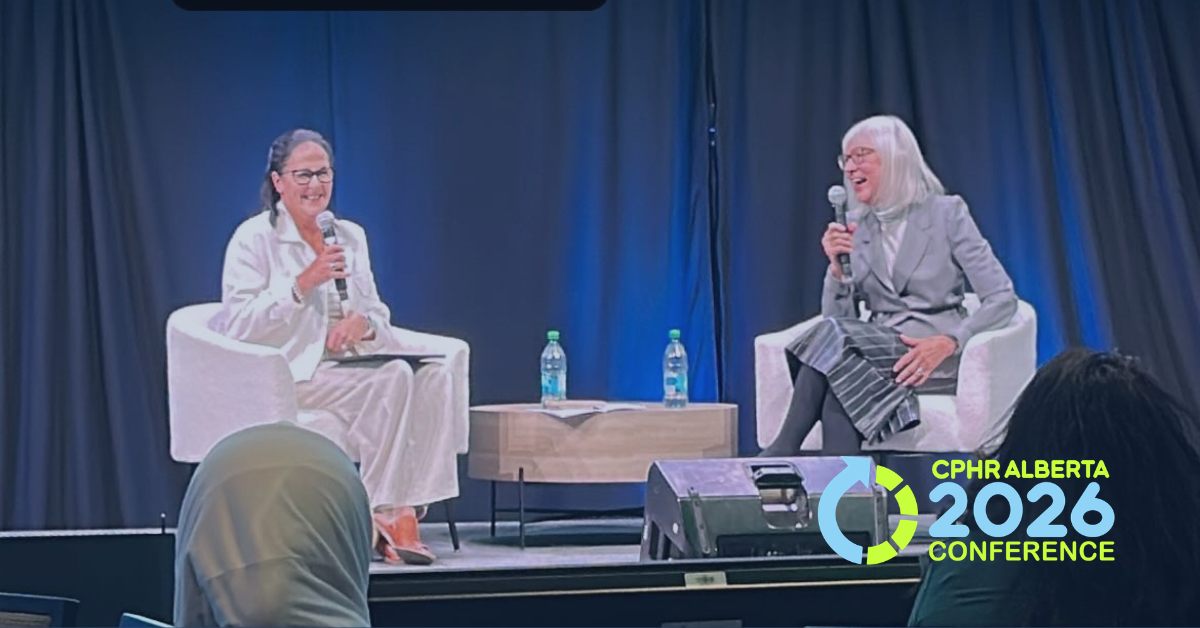
To close out this years’ CPHR conference, our final keynote on transformative leadership was led by the Honourable, Beverley McLachlin, the first female and longest-serving Chief Justice. While short, it had to be the most powerful session I got to attend over the two day conference. The lesson was simple, yet profound: Leading with integrity and empathy means finding the best in your people and highlighting their unique strengths to succeed as a unified team. 


And I believe this is what HR is about. Working with people that bring out the best in each other to form strength and unity in the workforce. 


Looking Ahead to 2027 

I hope everyone learned something invaluable that changes the way they work. That we all remember, in the end, the future isn't just about efficiency; it's about courage, flexibility, and a deep commitment to the people we serve.


It was a privilege to be part of capturing insights from the Conference with the Social Media Committee. You’ll soon have the opportunity to revisit select sessions when our On Demand offering launches. Stay tuned this fall for ticket sales for the CPHR Alberta 2027 Conference, happening in Edmonton on June 9th and 10th. We can’t wait to welcome you back!


About the author:

Rheya is a volunteer with the CPHR Alberta Social Media Committee, a young professional passionate about HR and creativity. With a Diploma and Bachelor's in Business Administration from SAIT, Rheya brings experience in project management, SEO, and social media. When not working, Rheya enjoys crocheting, writing a first novel, and binge-watching Harry Potter movies. 


The views and opinions expressed in this blog post belong solely to the original author(s) and do not necessarily represent the views and opinions of CPHR Alberta.


By Jessica Jaithoo • September 29, 2026
As the year draws to a close, now is the perfect time to invest in your professional growth. Whether you're looking to maximize your remaining professional development (PD) budget, complete your CPD requirements, or build skills in emerging areas, CPHR Alberta's fall lineup offers practical learning opportunities designed for today's HR professionals. A Timely Conversation: Workplace Suicide Awareness and Prevention October's Suicide Prevention Month serves as an important reminder that mental health and wellbeing continue to be critical workplace priorities. HR professionals are often called upon to support employees, leaders, and teams through difficult situations. Our Workplace Suicide Awareness for HR Practitioners: Masterclass (October 28) , led by Tara Adams, Founder of Abridge Consulting, provides practical guidance on understanding suicide in the workplace, implementing prevention strategies, and creating a more supportive workplace culture. * Earn 3 CPD hours. Lead Through the AI Shift with Confidence Artificial intelligence is rapidly transforming the workplace, making AI literacy an increasingly important skill for HR professionals. Our 3-day AI Certificate (AI Adoption that improves productivity without overwhelming the organization December 9-11) and Leading Through the AI Shift – Master Class (November 4) provide practical insights into AI adoption, workforce transformation, and the evolving role of HR. Build the knowledge and confidence needed to support AI initiatives and help your organization navigate change. Learn on Your Schedule with Conference On-Demand Access more than 20 recorded conference sessions, including keynotes, concurrent sessions, micro-sessions, and expert panels, anytime and anywhere. Gain practical HR insights, access speaker resources and presentations, and learn at your own pace. * Earn up to 5 CPD hours. Build Expertise in High-Demand HR Areas In addition to our featured offerings, this fall's PD calendar includes opportunities to strengthen core HR competencies through: Law Symposiums across Alberta chapters (September, October and November) Investigation Report Writing Workshop (November 5) Investigation Interviewing Techniques Workshop (November 18) Conducting Credibility Assessments Workshop (December 2) Workplace Investigation Training Certificate (November 24-26 and December 8-10) These programs provide practical, immediately applicable knowledge that can help strengthen decision-making, reduce organizational risk, and enhance your effectiveness as an HR professional. Don't Forget Your Complimentary Learning Opportunities  As part of your membership, you also have access to a variety of complimentary professional development opportunities throughout the fall, including: Monthly member roundtables Noon-hour webinars: Expert-led discussions on topics such as managing intergenerational teams, workplace agility, and common recognition and rewards mistakes. Finish the Year Strong Don't let unused professional development dollars or outstanding CPD requirements carry into year-end. Explore our fall learning opportunities and invest in skills that will support your success today and into the future—then round out the year by reconnecting with your professional community. Join your HR community at one of our Holiday Mingles , taking place across the province this November and December. These gatherings offer a chance to celebrate the year, expand your network, and reconnect with colleagues before the holiday season. View the Professional Development Calendar
By Jessica Jaithoo • September 28, 2026
Author: Volunteers from the Wood Buffalo Chapter Observed annually on October 10th, World Mental Health Day highlights the importance of promoting mental health awareness and improving access to mental health support worldwide. The day was established by the World Federation for Mental Health and is supported internationally by the World Health Organization. In Canada, mental health challenges increasingly affect workplace productivity, employee engagement, and organizational sustainability. For HR professionals in Alberta, World Mental Health Day provides an opportunity not only to raise awareness but also to evaluate policies, workplace culture, and leadership practices that support psychological safety. HR professionals have a significant role in ensuring compliance with provincial legislation while building supportive work environments that address emerging mental health risks. Recent Canadian research indicates that workplace mental health challenges are widespread and growing. Several key statistics illustrate the scope of the issue: 1 in 5 Canadians experiences a mental health problem each year (Employment and Social Development Canada). Mental health problems remain the leading cause of disability in Canada . Approximately 58% of employed Canadians are affected by a mental health diagnosis either personally or through a family member. 52% of employees report mental health challenges that affected their work performance , yet only 33% disclose these challenges to their employer . 39% of Canadian workers report experiencing burnout , demonstrating a significant increase compared with previous years. Nearly 47% of Canadians identify work as the most stressful part of their daily life . The economic implications are also substantial. Mental health problems cost the Canadian economy approximately $51 billion annually, including $20 billion directly related to workplace impacts such as absenteeism and reduced productivity. These statistics demonstrate that workplace mental health is no longer solely an individual concern; it is a strategic organizational issue requiring active engagement from HR and Business leaders. Alberta Legislative Context: HR Responsibilities HR professionals in Alberta must navigate both occupational health and safety requirements and workers’ compensation frameworks related to psychological injuries. The Alberta Occupational Health and Safety Act requires employers to ensure the health and safety of workers, which increasingly includes psychological health and safety. While the legislation traditionally focused on physical hazards, workplace harassment, violence, and psychosocial risks are now recognized as hazards that must be addressed through prevention and policy. Under Alberta OHS requirements, employers must: Identify workplace hazards, including psychological hazards such as harassment or excessive workload Implement prevention measures and policies addressing workplace violence and harassment Provide training and reporting mechanisms for workers In practice, this means HR departments must develop policies addressing psychological safety, respectful workplaces, and harassment prevention. Failure to address these risks may expose organizations to legal liability and regulatory scrutiny. Another legislative body of work comes through the Workers' Compensation Board (WCB) Alberta which recognizes that psychological injuries can occur as workplace injuries similar to physical injuries. It provides income replacement to workers with a diagnosed injury or illness that is shown to arise out of and in the course of employment. For HR professionals, this has several implications: Workplace psychological injuries may result in WCB claims Employers may need to participate in claim investigations and return-to-work planning Organizations must demonstrate that reasonable steps were taken to prevent psychological harm Key Lessons for HR Professionals Integrate Psychological Safety into Workplace Safety Programs Mental health should be treated as part of occupational health and safety rather than a separate wellness initiative. HR professionals should integrate psychological risk assessments into safety management systems and identify workplace factors such as: excessive workloads toxic workplace culture violence, harassment or bullying lack of managerial or organizational support Proactive management of these risks can reduce absenteeism, disability claims, and employee turnover. Train Managers to Respond to Mental Health Concerns Managers often serve as the first point of contact when employees experience psychological distress. However, research shows that many supervisors feel unprepared to address mental health issues effectively. HR professionals should implement training programs that equip leaders to: recognize early signs of burnout or distress conduct supportive workplace conversations connect employees to resources such as Employee Assistance Programs Managerial support is particularly important, as studies show that support from managers and coworkers significantly improves workplace mental health outcomes. Address Workplace Stigma Despite increasing awareness, stigma remains a major barrier to mental health support. A significant proportion of Canadian employees report that they would hesitate to disclose mental health challenges due to fear of career consequences. HR professionals can reduce stigma by: encouraging senior leaders to discuss mental health openly integrating mental health awareness campaigns into workplace culture ensuring confidentiality when employees seek support Strengthen Workplace Supports Effective mental health support systems may include: Employee Assistance Programs (EAPs) flexible work arrangements mental health leave policies access to counselling services Research suggests that time off, flexible schedules, and supportive management are among the most effective workplace mental health supports. For HR professionals in Alberta, World Mental Health Day serves as an important reminder that mental health is both a legal responsibility and a strategic workforce issue. Organizations that prioritize psychological safety and employee wellbeing are better positioned to reduce disability claims, improve employee engagement, and retain skilled workers in a shrinking talent pool. With rising burnout levels, increasing psychological injury claims, and evolving legislative expectations, HR professionals in Alberta must take a leadership role in promoting mental health and wellbeing in the workplace. By aligning organizational practices with occupational health and safety requirements, supporting employees experiencing psychological challenges, and fostering open workplace cultures, HR professionals can help create healthier and more sustainable workplaces for the future.
By Jessica Jaithoo • September 10, 2026
Author: Eleanor Hecks As workforce analytics becomes more sophisticated, organizations have more ways to understand how work gets done. But introducing these tools without clear communication can create uncertainty around privacy, data use and employee trust. HR leaders should make the purpose and boundaries of these tools clear from the start. The Rise of Employee Monitoring The workforce analytics market has reached $2.92 billion in 2026 as organizations pursue hybrid-work optimization, data-driven talent decisions and AI-powered analytics. Within this broader market, organizations are increasingly using tools such as productivity-monitoring software, keystroke logging, application and activity tracking and other systems that analyze employees' work patterns. These technologies can give HR greater visibility into workloads, staffing needs, productivity and broader workforce trends. However, as these tools become more sophisticated, HR also needs to consider how employees will understand and respond to data collection. What Can Go Wrong When Employers Introduce Productivity Trackers? Problems can arise when employees do not know what information the organization collects or how it will use it. Workers may worry that screenshots or time away from a device could become measures of their value or performance. These concerns are worth taking seriously. The American Psychological Association found that 45% of workers who experienced workplace monitoring said their work environment had a negative impact on their mental health. The finding highlights why HR should consider the employee experience when introducing these tools. Building Trust in Workforce Analytics Introducing monitoring works best when employees understand the decision and see themselves as part of the process. Transparency and early communication often build confidence and trust. Address Employee Concerns Before They Become Questions HR should explain the basics before introducing the software, including which activities the system will track and which it will ignore. Managers should also let teams know whether the tracker data can influence performance decisions. Proactively explaining the tool's capabilities and limitations can help prevent an unexpected discovery from becoming a trust issue. Have a Clear Purpose for the Technology HR should identify the specific problem before choosing a solution. This becomes especially important as organizations race to adopt emerging technologies without defining clear objectives first. This pattern is visible in how many companies are currently approaching AI adoption. A survey found that about half of organizations have deployed AI or plan to do so this year, but only one-third have a strategy for it. These numbers show that organizations are implementing tools simply because they feel like they “should,” faster than they can define what success looks like. Workforce analytics tools — many of which now include these AI-powered features — present the same challenge. “We need to use more tools that integrate AI” or “Everyone else is tracking productivity” are not strategies. Without a clear purpose, HR may collect more data than it needs or track metrics that don't align with actual business decisions. Before selecting a monitoring tool, HR should determine what it needs to learn and what decisions the data will support. Explain the Difference Between Aggregate and Individual Data Employees should understand whether HR is looking for broader workforce patterns or evaluating individual behavior. Aggregate data might show that a department is consistently handling a heavy workload, while individual data could reveal how a specific employee spends their time. Making this distinction clear can reduce uncertainty about how the organization will use employee information. Build Trust Through Inclusive Practices Employee involvement should begin before committing to a vendor or a tool. Representatives can help assess what a system collects and whether intrusive features align with organizational goals. HR can invite employees to ask questions and solicit their feedback on monitoring policies. California's proposed AB 1883 illustrates the emerging regulatory conversation around workplace monitoring. The bill seeks to prohibit employers from using workplace surveillance tools that predict emotional states or collect neural data. As proposed legislation, it is not currently a requirement for California employers, but it demonstrates how policymakers are beginning to address newer forms of workplace surveillance. Trust Starts Before the Monitoring Does Workforce analytics can deliver real insight into workforce needs. Organizations that communicate openly about purpose and involve employees often create monitoring systems that support better resource allocation and planning.
MORE NEWS