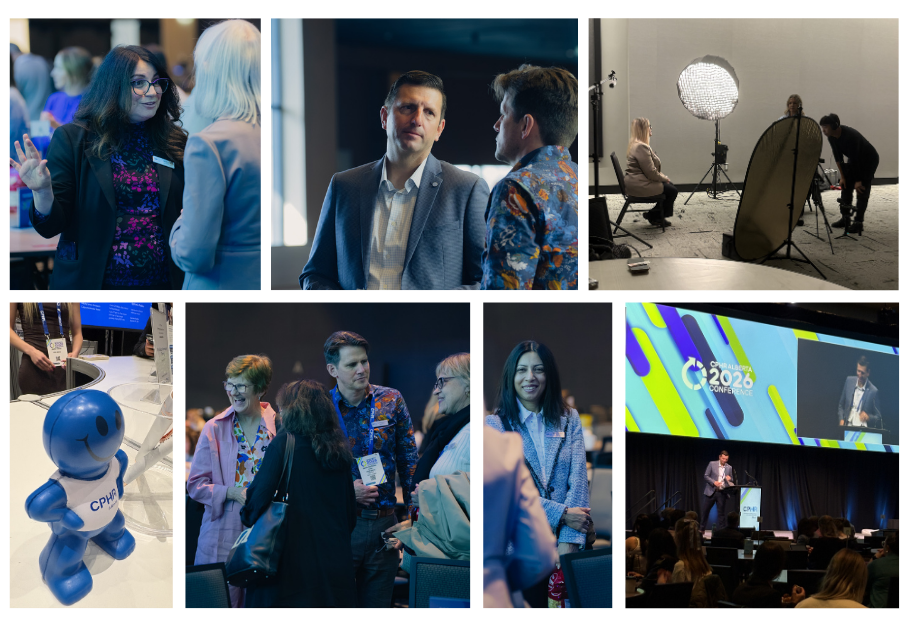
Thank you for joining us at the

CPHR Alberta 2026 Conference!


A white background with a few lines on it

Chartered Professionals in Human Resources of Alberta


Announcements

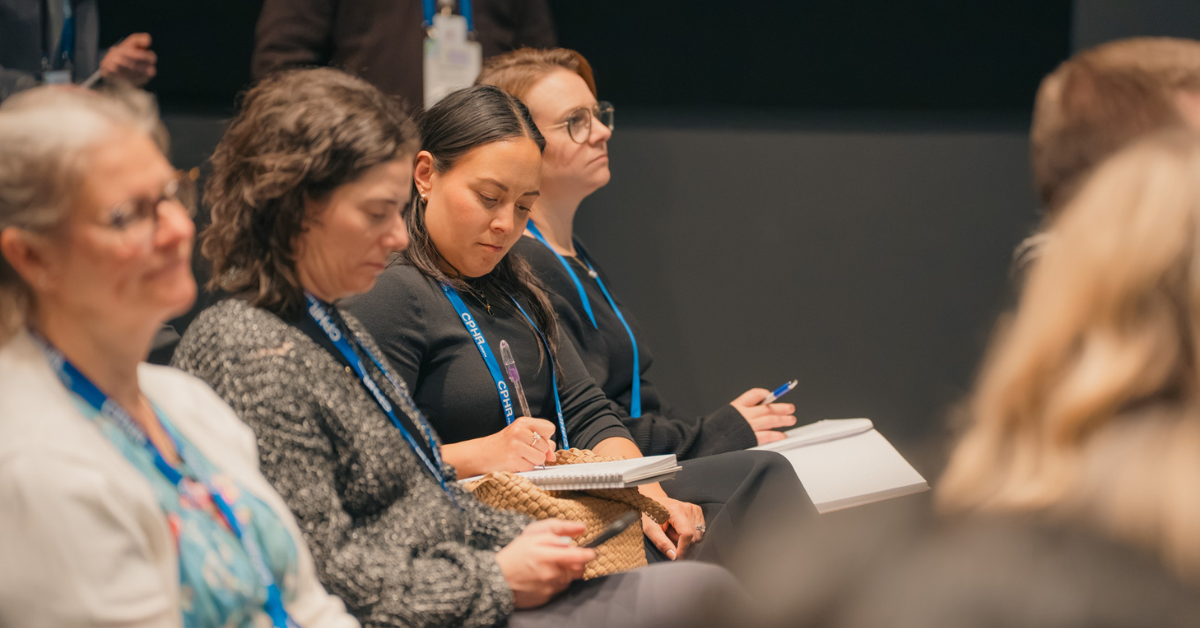
Thanks for joining us at the CPHR Alberta 2026 Conference!

To our incredible HR and business community, thank you for joining us at our 2026 Conference in Calgary. We will be buzzing from this event for weeks to come, and look forward to seeing you June 9 & 10, 2027 in Edmonton!


Looking to post a Job? Check out our new Career Compass

As of May 15, 2026, we have moved our Career Centre from YM Careers to a new platform called Career Compass hosted by Paddo. Keep an eye on your inbox for an email from cphrab@paddo.ca for your access to Career Compass. 


If you have any questions, please email us at careercompass@cphrab.ca


Introducing CPHR Alberta's newest Partner: Venngo

Discounts to help you and your family save on life’s essentials, comforts, now with MemberPerks!

START SAVING TODAY

CPHR Alberta News

Explore the latest HR trends and strategies

By Jessica Jaithoo June 25, 2026
Author: Rheya Patel , 2026 Social Media Committee Member Leading with Courage, Empathy, and Connection Over the past two days, people leaders and business professionals as well as members of our CPHR Alberta community gathered at the BMO Center in Calgary to explore the ever-evolving terrain of Human Resources, firmly reminding me just how incredibly interesting, as well as important our work is in daily organizational operations. Coming from an in-person perspective, the energy was incredible. As Co-Chair of this year’s Social Media Committee, I had the privilege of attending both days, capturing these moments and learning alongside all of you. The overarching theme of this year's conference was clear: while technology and processes are evolving, the future of HR is fundamentally asking us to be more human. Day 1: Adaptability and Breaking New Paths We kicked off Day 1 with a focus on Change Management. The first panel emphasized that in a world defined by constant shifts, HR must prioritize workforce planning and clear communication to remain resilient. One of the most unique panels on day 1 explored the world of Military Reservists led by three actively serving reservists. It was intriguing to learn about skills that can be transferred both "on and off the field"—such as leadership under pressure and community networking—and how undoubtedly invaluable they are to the professional world. Our panelists also touched on the vital importance of motivating and connecting with Canadian youth to build our future talent pipelines. Our closing panel was a powerful discussion on Leading the Future. The message was bold: do not wait for a path to be cleared for you. Courage is the Catalyst: Small ideas can spark massive change. Validation through Action: When you take the lead, others join the idea, creating the momentum needed to become a changemaker. A New Approach to Leadership: Instead of leading solely with data, processes, or solutions, the panel challenged us to lead with stories, questions, and silence. However, this was not the end. After all scheduled events, the day wrapped up with an HR Social in our exhibit hall. And though my duties were finished for the day, I took full advantage of the opportunity to meet with other HR professionals to continue to learn and grow. Receiving invaluable tips on starting off my own career as an emerging HR professional. Day 2: Culture, Integrity, and the AI Balance Day 2 shifted our focus toward the internal health of our organizations. I firmly believe that organizations should take care of the people within, just as they care about the people on the outside. We can think of it as how we take care of ourselves and each other. Empathy causes us to care deeply for others, but sometimes caring for ourselves can lose priority in our day to day lives, but our bodies are tuned in to making sure we don’t forget. Such as internal signals to let us know when we’re tired, our stomachs rumbling to indicate hunger. These internal signals can be a mini, personal version of an HR group, taking care of the internal needs while we take care of external needs. Starting bright and early, our opening keynote speaker addressed the difficult reality and complexities of toxic bosses. As HR professionals, it is our responsibility to ensure toxicity isn't "hidden in plain sight," to hold these bosses accountable, and to protect employees from potential retaliation when reporting harmful behavior. It is part of our role to reach the root of the issue and help to resolve it before the weeds grow out of control. Our first micro-session of the day dove into a matter that has become a topic of intense discussion as of recently. Our Aging Workforce. The speaker brought up insightful thoughts on mitigating the impacts, redesigning work environments to support employees at every life stage. By debunking the myth that older workers are "more expensive" and encouraging mentorship between generations, we create a more inclusive culture. The Role of Trust and Culture The second microsession of the day served as a great reminder to all those who attended the conference, that culture and trust are formed much earlier than we often assume. From the transparency of the hiring process to the clarity of defined roles, the employee experience begins the moment trust is established. And this can serve as a defining factor in a candidate’s decision when applying for roles as well as accepting offers. The "Ghost of AI" vs. Human Connection I had the pleasure of attending one of the three offered breakout sessions for day 2, and it touched on an increasingly more relevant concern emerging in the HR world and in the workforce in general. Artificial Intelligence. While AI is a powerful tool for managing vast amounts of data and streamlining applications, we must be wary of its "ghosts." The AI Limit: While AI can assist in conflict analysis, it is largely useless in resolving conflict if there is no genuine human connection. Three Smarts: To navigate conflict, we need a balance of book smarts, street smarts, and—most importantly—emotional smarts. Connection is the Cure: As we use AI more, we risk connecting with each other less. Conflict resolution requires building real bridges, not just analyzing data. With AI becoming much more prevalent in today’s workforce, being more reliable in terms of productivity and efficiency, it is missing the lifeblood of any organization. Being human. While AI has many uses and can easily adapt on the flick of a dime, it is us, the culture, being human, that makes a workplace come to life. Closing with Empathy To close out this years’ CPHR conference, our final keynote on transformative leadership was led by the Honourable, Beverley McLachlin, the first female and longest-serving Chief Justice. While short, it had to be the most powerful session I got to attend over the two day conference. The lesson was simple, yet profound: Leading with integrity and empathy means finding the best in your people and highlighting their unique strengths to succeed as a unified team. And I believe this is what HR is about. Working with people that bring out the best in each other to form strength and unity in the workforce. Looking Ahead to 2027 I hope everyone learned something invaluable that changes the way they work. That we all remember, in the end, the future isn't just about efficiency; it's about courage, flexibility, and a deep commitment to the people we serve. It was a privilege to be part of capturing insights from the Conference with the Social Media Committee. You’ll soon have the opportunity to revisit select sessions when our On Demand offering launches. Stay tuned this fall for ticket sales for the CPHR Alberta 2027 Conference, happening in Edmonton on June 9th and 10th. We can’t wait to welcome you back!
By Marina Perkovic June 16, 2026
As the governing voice of CPHR Alberta, the Board of Directors meets quarterly to provide oversight and guidance across key strategic and operational priorities.  To maintain transparency with members and stakeholders, we continue to share post-meeting updates to highlight progress, key decisions, and how we are advancing the HR profession while ensuring a strong and sustainable organization. The Board of Directors met in June 2026 to review organizational performance, governance priorities, and long-term sustainability. The Board’s key messages for the membership are as follows: Continued Membership Growth CPHR Alberta continues to grow, with membership increasing by 4% year-over-year to 7,559 active members. Growth is being driven by strong engagement from students, future HR professionals, and members pursuing the CPHR designation, demonstrating the continued strength and relevance of the HR profession across Alberta, the Northwest Territories, and Nunavut. Strong Financial Position The Board reviewed Q1 2026 financial results and continues to closely monitor financial performance and long-term sustainability. CPHR Alberta remains committed to responsible stewardship of member resources while investing in programs, services, technology, and professional development opportunities that deliver value to members. Investing in the Future of the Profession Advancing the visibility and influence of the HR profession remains a strategic priority. A new province-wide marketing campaign has launched to position CPHRs as trusted business leaders and strategic partners, while increasing awareness of the value of the designation among employers and the broader business community. Supporting Future HR Professionals Student membership continues to be a key driver of growth, reflecting strong interest in HR careers and the CPHR designation. CPHR Alberta remains committed to supporting students, candidates, and emerging professionals as they progress through their HR careers. Continuous Improvement in Governance and Member Service The Board and its committees continue to strengthen governance practices, review policies, and enhance Board effectiveness. This ongoing work ensures oversight remains aligned with leading practices and supports a strong, sustainable organization for members. Focus on Long-Term Sustainability The Board continues to review long-term financial planning, revenue diversification, and future membership dues strategy. These efforts are aimed at ensuring financial sustainability while maintaining the value delivered to members. Looking Ahead The Board’s focus for the remainder of 2026 includes: Continuing to grow membership and engagement Expanding the visibility and influence of the HR profession Supporting a future-ready HR community Maintaining strong governance, risk management, and financial oversight Delivering high-quality programs, services, and member experiences The next Board meeting takes place in November 2026, after which we will again share our key messages. If you have any questions regarding these key messages or the Board of Directors, please contact chair@cphrab.ca . We welcome your feedback!
By Jessica Jaithoo June 11, 2026
Author: Nidhi Gandhi , 2026 Social Media Committee Volunteer "By the time you truly understand your father, you have become one yourself, and your father may no longer be in the world for you to tell him." It's a thought that stays with Jitendra Das, and one that lands especially close around Father's Day. Jitu, to those who know him, is a Senior Human Resources Business Partner at Amazon, where he partners with business leaders on organizational effectiveness, talent strategy, leadership development, and culture. Behind that work sits more than 16 years of HR experience across India, the Middle East, Southeast Asia, and North America. Alongside his corporate role, he is an ICF certified executive coach at the PCC level with over 2,500 coaching hours, having supported leaders across Fortune 500 companies in unlocking their potential and navigating personal and professional growth. But the role that shapes everything else is a quieter one. He grew up watching a generation of fathers who showed love through provision, and made himself a different promise, to show it through presence. He wants his son, Ayaan, to remember the school runs, the bedtime stories, the nothing-in-particular evenings. As he puts it: "I am not building a career despite being a father. I am building it because of it." This Father's Day, we interviewed Jitu to talk about what modern fatherhood asks of men at work, the leave they don't take, the bias they navigate quietly, and what it really means for a working father to feel safe being fully himself. 1. You are uniquely positioned to advocate for policies like parental leave for fathers. Do you feel a personal responsibility to champion men’s work-life balance and mental health in the corporate world? Absolutely, and I think responsibility is the right word, not just opportunity. Men's mental health and work-life balance remain largely underdiscussed in corporate spaces, and the cost of that silence is real. Burnout, disengagement, and leaders who are physically present at work but emotionally absent at home, these are symptoms of a culture that never gave men permission to be human. In Canada, fathers have access to parental leave, yet the uptake remains far lower than among mothers, not because fathers do not want to be present, but because the culture has not caught up with the policy. I want to help close that gap. Not just through advocacy in meetings, but by modeling it myself, being visible about my own boundaries, talking openly about Ayaan and what being present for him means to me, and making it easier for the men around me to do the same. If I cannot use my platform to normalize that, then what is it for? 2. Working fathers often face a subtle social bias where they are viewed as the 'secondary' parent. How can HR teams and leaders shift corporate mindsets to recognize and respect men as primary, equal caregivers? The bias is real, and it often lives in the small things: a father who leaves early for his child's recital gets noticed differently than a mother who does the same thing, and a man who sets a hard stop for school pickup reads as less committed rather than more present. HR teams need to look at this structurally, because in Canada, parental leave is available to both parents yet the uptake among fathers remains significantly lower, and that gap is not about desire, it is about what leaders normalize. If no senior man in an organization has ever visibly taken parental leave, that silence is a message. I keep Ayaan's school events on my calendar and I do not hide them, because representation in everyday behaviour is more powerful than any policy document 3. There’s an old stereotype that fathers should always be the 'unshakable pillar.' How have you learned to embrace vulnerability, both as a dad and as a professional leader? When we moved to Canada in 2022, I went through a period of professional uncertainty I was not prepared for, having built my career across India, the Middle East, and Southeast Asia and then starting over in a new market without the network I had spent years building. My wife Megha held the family steady during that time, and watching her do that taught me the difference between being a pillar and being a wall: she was not unaffected; she was grounded. I have told Ayaan when I have had hard days, not to burden him, but to show him that naming something difficult is not weakness, it is how you move forward. That same principle lives in how I coach leaders now: vulnerability is not the absence of strength, it is the honesty to say where you are, and that honesty builds more trust than any polished performance. 4. What does psychological safety look like for a working father? Have you ever felt pressure to hide family obligations to maintain a certain professional image? Yes, early in my time in Canada I was careful about how much I revealed as a father in professional settings, because there is an unspoken test that working fathers navigate: prove your commitment by making your family invisible at work. But I think about Ayaan running to show me a drawing he made at school, not because it was perfect, but because he wanted me to see it, and that unconditional trust reminds me that the most important audience for how I show up is not in the boardroom. Psychological safety for a working father means being able to say I am leaving early for my son's event without it being read as a lack of ambition. The day that becomes unremarkable is the day we have actually made progress, and as HR professionals, building that culture is not a nice-to-have. It is the work . A Wish for Father's Day “Fatherhood did not soften my professional edge. It sharpened it, gave me a reason to build something worth being proud of, and a daily reminder of what I am actually working for. This Father's Day, my wish is simple: I hope working fathers across Canada and the world feel seen, take the leave they are entitled to, and show up for the bedtime stories. And I hope their organizations build cultures where none of that is a trade-off. Ayaan, this one is for you.” Jitu's wish is a modest one, but the shift it asks of our workplaces is not. It asks for cultures where presence, honesty, and a hard stop for school pickup read as strength rather than absence, where showing up for your child is never a trade-off against showing up at work. This Father's Day, that feels like a goal worth building toward. Wishing everyone a Happy Father’s Day!
By Jessica Jaithoo June 8, 2026
Author: Taia Northrup , 2026 Social Media Committee Volunteer Each year, on the second Saturday of June, people around the world come together to recognize International Wellness Day, a global movement dedicated to promoting healthier, happier, and more balanced lives. This special day serves as a reminder that well-being extends beyond physical health; it includes mental, emotional, social, and workplace wellness as well. As HR professionals, wellness is more than a personal responsibility, it is a workplace priority. The Chartered Professionals in Human Resources (CPHR) profession recognizes that healthy, supported employees are the foundation of engaged, productive, and resilient organizations. HR leaders play a key role in creating workplace cultures that foster psychological safety, work-life balance, employee engagement, and overall wellbeing. International Wellness Day encourages individuals, employers, and communities to reflect on the habits, environments, and relationships that contribute to overall wellbeing. In today’s fast-paced world, it can be easy to put our health on the back burner. This day provides an opportunity to pause, evaluate our wellness practices, and make meaningful changes that support long-term health and happiness. The celebration also aligns with the broader goals of workplace wellbeing initiatives, which focus on creating healthier organizations and communities. Research continues to show that employees who feel supported in their wellbeing experience lower levels of burnout, higher engagement, and stronger workplace satisfaction. Organizations that prioritize employee wellbeing also benefit through improved retention, productivity, and organizational resilience. From a CPHR perspective, wellbeing is not limited to wellness programs or fitness challenges. It involves taking a holistic approach that considers mental, emotional, physical, financial, and social health. Building supportive policies, encouraging meaningful work-life balance, and creating inclusive workplace cultures are all essential components of a successful people's strategy. Wellness looks different for everyone. For some, it may mean prioritizing physical activity, healthy nutrition, or quality of sleep. For others, it may involve managing stress, strengthening social connections, practicing mindfulness, or taking time for self-care. The important message is that small, intentional actions can have a significant impact on overall wellbeing. As we celebrate International Wellness Day, consider taking a moment to invest in your own health and happiness. Whether it’s going for a walk, connecting with loved ones, setting healthy boundaries, or simply taking time to recharge, every positive step contributes to a healthier and more fulfilling life. At its core, wellbeing is about creating environments where people can thrive—both at work and in life. As HR professionals and workplace leaders, we have the opportunity to champion initiatives that support our people, strengthen our organizations, and build healthier communities for the future. How will you invest in your wellbeing today? 

Advance my HR Career

Become a member and accelerate your HR career.

Members of CPHR Alberta (Chartered Professionals in Human Resources of Alberta) belong to a community of over 7,000 HR professionals and business leaders. Our community includes 3,300 + CPHRs, living and working in Alberta, the Northwest Territories and Nunavut.

A check mark in a black circle on a white background.

Professional Development

A check mark in a black circle on a white background.

Access the Industry Network

A check mark in a black circle on a white background.

Find Your Next Career

A check mark in a black circle on a white background.

Exclusive Offers from Industry Partners

A check mark in a black circle on a white background.

Resources and Toolkits

Join CPHR Alberta

Professional Development

Get Designated

Resources


A blue circle with a white outline on a white background.
A pink and purple abstract shape on a white background.

CPHR Alberta Career Center

A white background with a few lines on it